
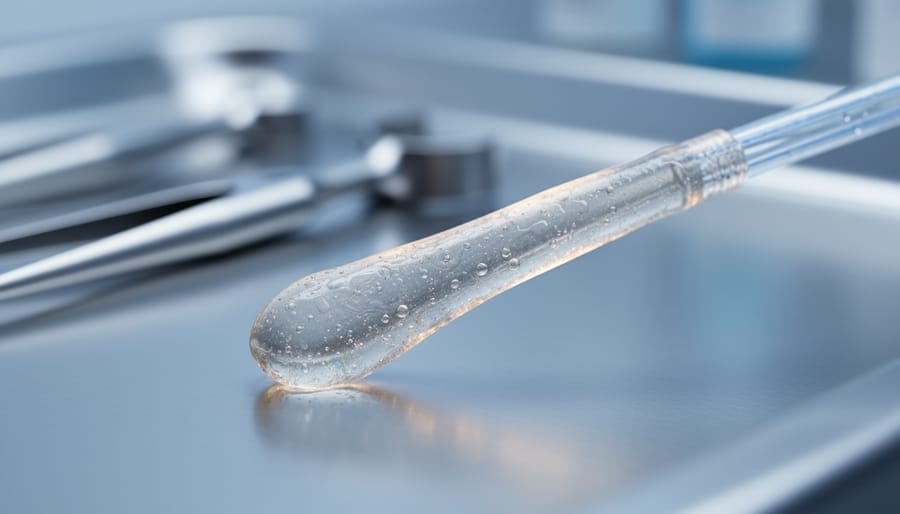
Biofilm eradication requires a systematic approach combining mechanical disruption, antimicrobial agents, and biofilm-dispersing enzymes to achieve at least a 3-log reduction in viable cells within 24 to 72 hours. Unlike planktonic bacteria, biofilms embed themselves in self-produced extracellular polymeric substances (EPS) that protects bacteria from antibiotics and conventional disinfectants, making eradication up to 1,000 times more challenging than treating free…
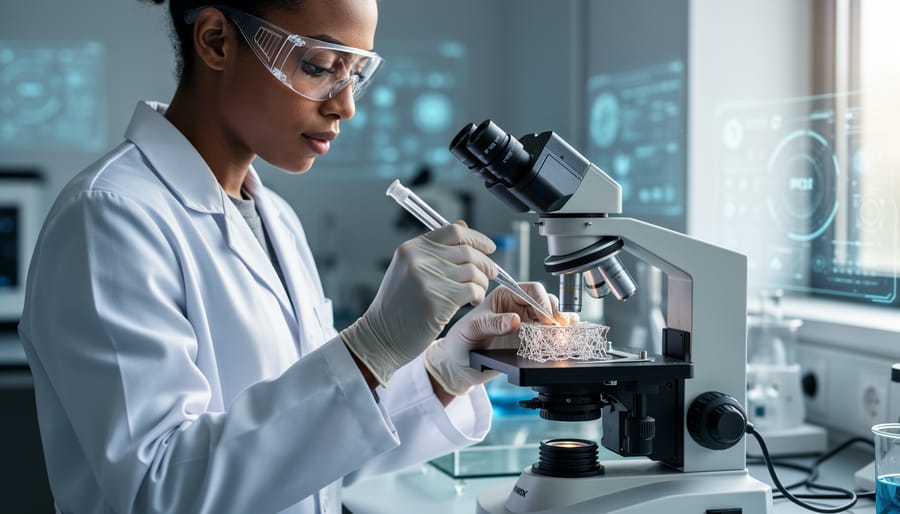
How PhD Bioengineering Programs Fuel Innovation in the Bioengineering Development Phase
PhD bioengineering programs serve as the primary pipeline for training scientists who translate fundamental biological principles into transformative healthcare solutions, medical devices, and industrial applications. These doctoral programs integrate advanced coursework in molecular biology, materials science, computational modeling, and systems engineering to prepare graduates for careers at the intersection of medicine, technology, and innovation. Students typically complete their degrees in four to six years, conducting original research that pushes the boundaries of tissue engineering…
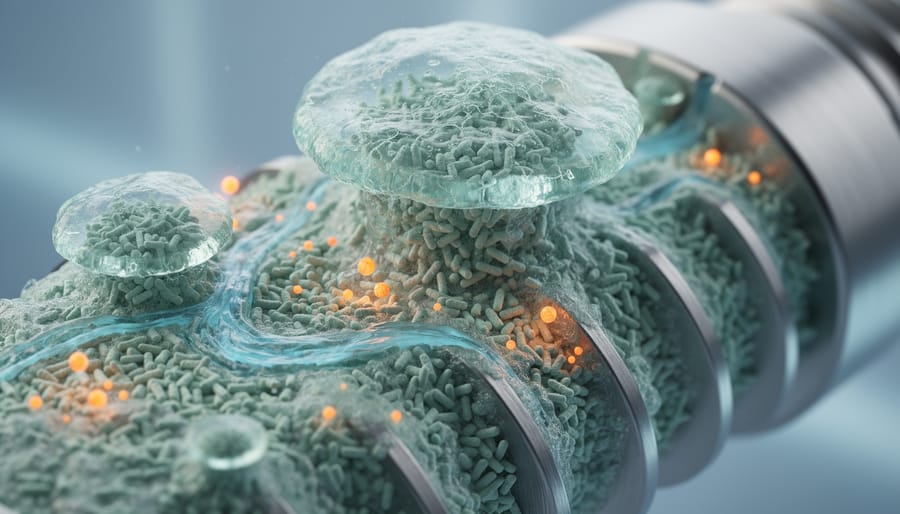
How Biofilm Formation Protects Bacteria From Antibiotics (And What We Can Do About It)
Biofilm Formation: Understanding Microbial Communities and Their Clinical Impact
Recognize that biofilms represent one of the most successful survival strategies in microbiology, with sessile bacterial communities exhibiting up to 1,000-fold greater tolerance to antimicrobial agents compared to their planktonic counterparts. This structural organization accounts for approximately 80% of chronic and recurrent human infections, fundamentally altering how we approach treatment protocols in modern healthcare. The extracellular polymeric …